

Happy Solstice, Happy Winter!
Happy Holidays, no matter what you celebrate!

As the end of the year approaches, I wanted to take some time to wish you all a happy solstice, a happy winter season, and a happy holiday season, no matter what you celebrate or if you just enjoy the season in any environment.
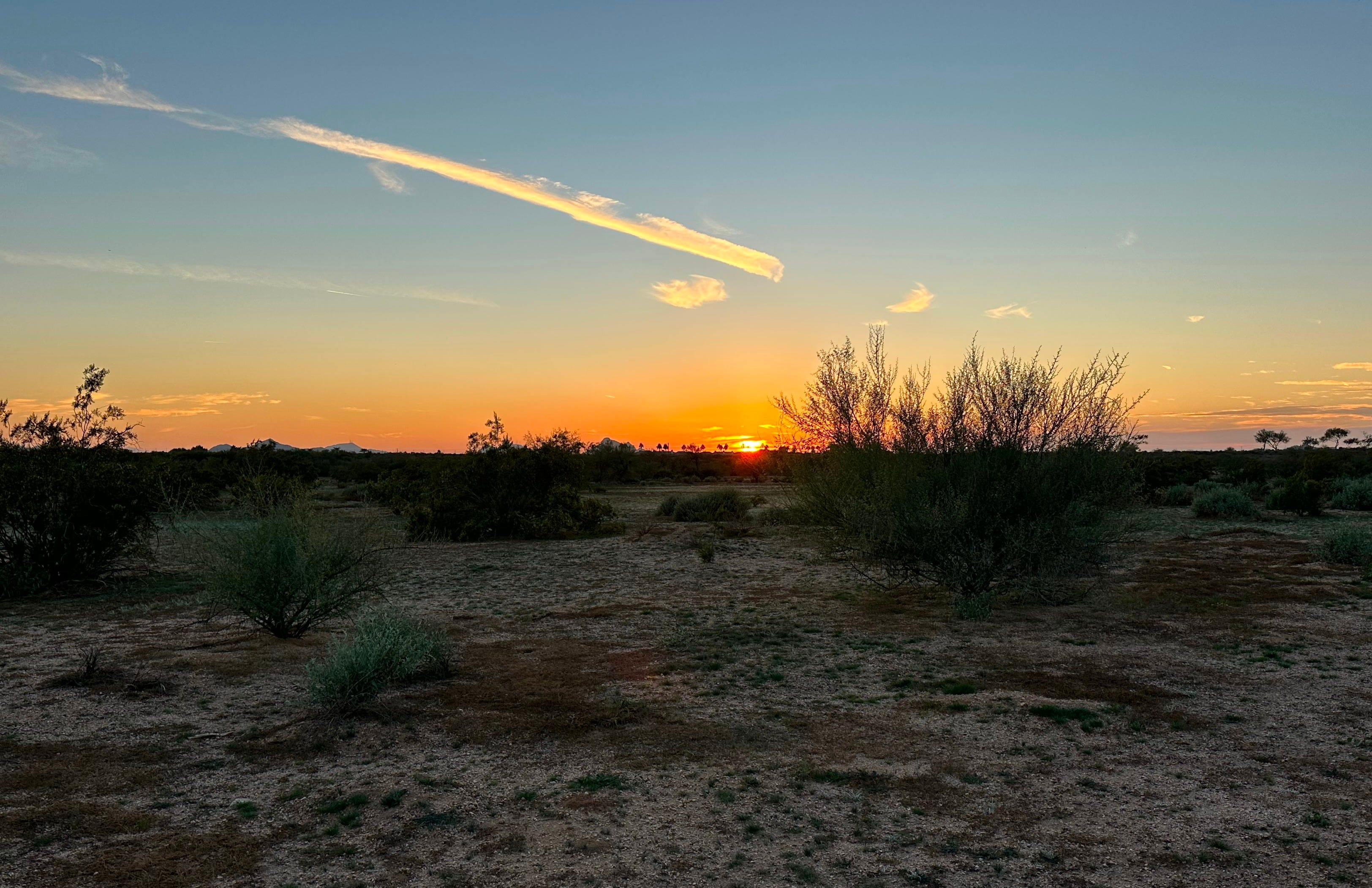
Today, on December 21, those of us living in the northern hemisphere experience the winter solstice—the shortest day and longest night of the year, while those in the southern hemisphere experience the summer solstice, the longest day and shortest night. It is the time of the year when the sun appears to “stop, stand still”, as suggested by the Latin origin of the word: Sol = sun, and stitium = stop, still.
While the sun doesn’t really stop or stand still, it might appear that way as the Earth reaches its maximum tilt on its axis away from it. It is the time when the northern hemisphere is farthest from it and the southern hemisphere closest.
While winter may bring cold, dark days in the northern hemisphere, the winter solstice marks the time when the days actually start to get longer, and they’ll keep doing so until the summer solstice.
This astronomical event, this calendrical milestone, shapes nature’s annual cycles, and it has shaped human activities all over the world since ancient times.
Our modern societies might be removed from appreciating the importance of the event; however, many of our present-day celebrations are rooted in ancient customs based on the solstice.
Most people throughout the world celebrate something this time of the year.
A few years ago, I hosted a collaborative post on my blog, Wanderer Writes, about the winter holidays people celebrate in different parts of the world. I invited bloggers from different places to write a paragraph about the holiday they celebrate in their country. I called it Winter Holiday Traditions from Around the World.
I learned a lot about different traditions from places I’ve traveled before and from places I have yet to visit. While they were all different, I noticed that some of these celebrations were obviously based on ancient traditions revolving around the solstice, even if they seemed removed from the actual event.
This astronomical event is something that connects us all, no matter where we live on this planet.
We all experience the solstice.
No matter where on earth we live, this is the moment when things start changing in nature around us.
We might not all be in tune with it anymore, but ancient people all over the world celebrated this annual astronomical event as a time to say goodbye to the long, dark nights and to welcome the return of the sun.
In my culture, ancient Hungarians celebrated the solstice and called it Kara csun, which sounds very close to Karácsony, the Christmas holiday we celebrate today. The holiday might have shifted its meaning after Christianity, but the name and timing remained. A compound word, kara = black, dark, csun = turning over, karacsun meant the turning of the darkness, the flip from the dark into the light, the hope for spring, for nature’s renewal. The day symbolized renewal and rebirth, and it was a celebration of the cycles of nature. Today, in some places, Hungarians are going back to celebrating the original Karacsun, the solstice.
Ancient Celts, Romans, and Germanic tribes also celebrated the winter solstice as the return of the sun, which also meant renewal and rebirth of the surrounding nature.
Across the ocean, the ancient Maya celebrated the rebirth of the Sun-God, Kinich Ahau, after a long journey through the darkest days, bringing light, warmth, and life back to the planet, as evidenced in several hieroglyphic texts, the oldest one known and deciphered by David Stuart, on Altar 1 in Zacpeten, Guatemala. The ancient Maya often connected the celestial event to a life event of a powerful ruler, as is the case with this altar, but also the sarcophagus lid of Palenque’s famous ruler, Pacal, suggesting his becoming the rising sun after his death.
Modern-day Maya still celebrate the solstice, especially in some of the traditional villages, through ceremonies, offerings of food and drink, copal incense, holy fires, and community meetings.
In the US Southwest, in Chaco, ancient buildings are aligned with the lunar and solar cycles, evidence that the ancient Puebloans celebrated the solstice, along with other astronomical events. Twelve of their major buildings are oriented to mark solar cycles, the winter solstice among them, the most famous being the Sun Dagger on Fajada Butte.
Members of today’s Pueblo people, descendants of the Chacoan culture, consider the Sun Dagger a sacred site, one of the central sites of their ancestors, where they were praying, meditating, leaving offerings, and making astronomical observations.
The solstice ceremonies of modern-day Pueblo people (Hopi, Zuni, Acoma, and several others) are continuations of the ancient Chacoan ceremonies, celebrating the sun’s turning point.
The Hopi people mark this time through the Soyal ceremony, one of their most important and sacred rituals. For them, this time represents a turning point and a time for renewal, and it marks the beginning of the Katsina season, a period of spiritual connection, blessings, and preparation for renewal.
The Zuni celebrate the Shalako ceremony, with dances, prayers, remembrance of ancestors, and ritual blessings for health and fertility.
During the winter solstice, people all over the world traditionally paid (some still do) tribute to the sun. During the ceremonies, they also bonded with family members and close friends, used the time for storytelling, watched the night sky, and paused to reflect on the passing of time and renewal.
The solstice celebration is still prevalent all across the globe. Many people started celebrating it recently without connecting it to a specific religion, in the hope of reconnecting modern life to our planet’s shifting rhythm, to our natural surroundings.
In celebrating the solstice instead of or besides other holidays, we may not only reconnect to our surroundings, but also to each other, since we observe this phenomenon all over the world.
We no longer need to assign a deity to the sun; however, we should still acknowledge its importance in our everyday lives. If we do, we may appreciate nature around us, the changing seasons, and all they bring.
And when we appreciate something, we are more likely to protect it.
It doesn’t need to replace our other holidays, but we should all take a few moments and spend time outside, enjoy the shortest day and the longest night of the year. The lucky among us who are in a dark sky place should look up into the sky and watch the planets, stars, and constellations.
Happy Solstice! And Happy Holidays, no matter what else you celebrate!
Emese
References:
Stuart, David, Birth of the Sun: Notes on Ancient Maya Winter Solstice, published in Maya Decipherment
Chaco Cosmology: The Solstice Project
If you enjoyed this post, please consider sharing it with your friends.
If you like my work, consider becoming a free or paid subscriber. Though none of the posts are paywalled, a paid subscription would help support my work. Thank you!
You can also support my work with a one-time donation to my “buy me a coffee” account.
Related posts:
I love this! It's amazing how the solstice works and how it's connected tribes and people across time! Awesome post :)
Nice post! Very interesting! I didn't know the origin of karácsonyi! Thank you.